Adi Shankar Viman Mandap – Temple by the Ganga

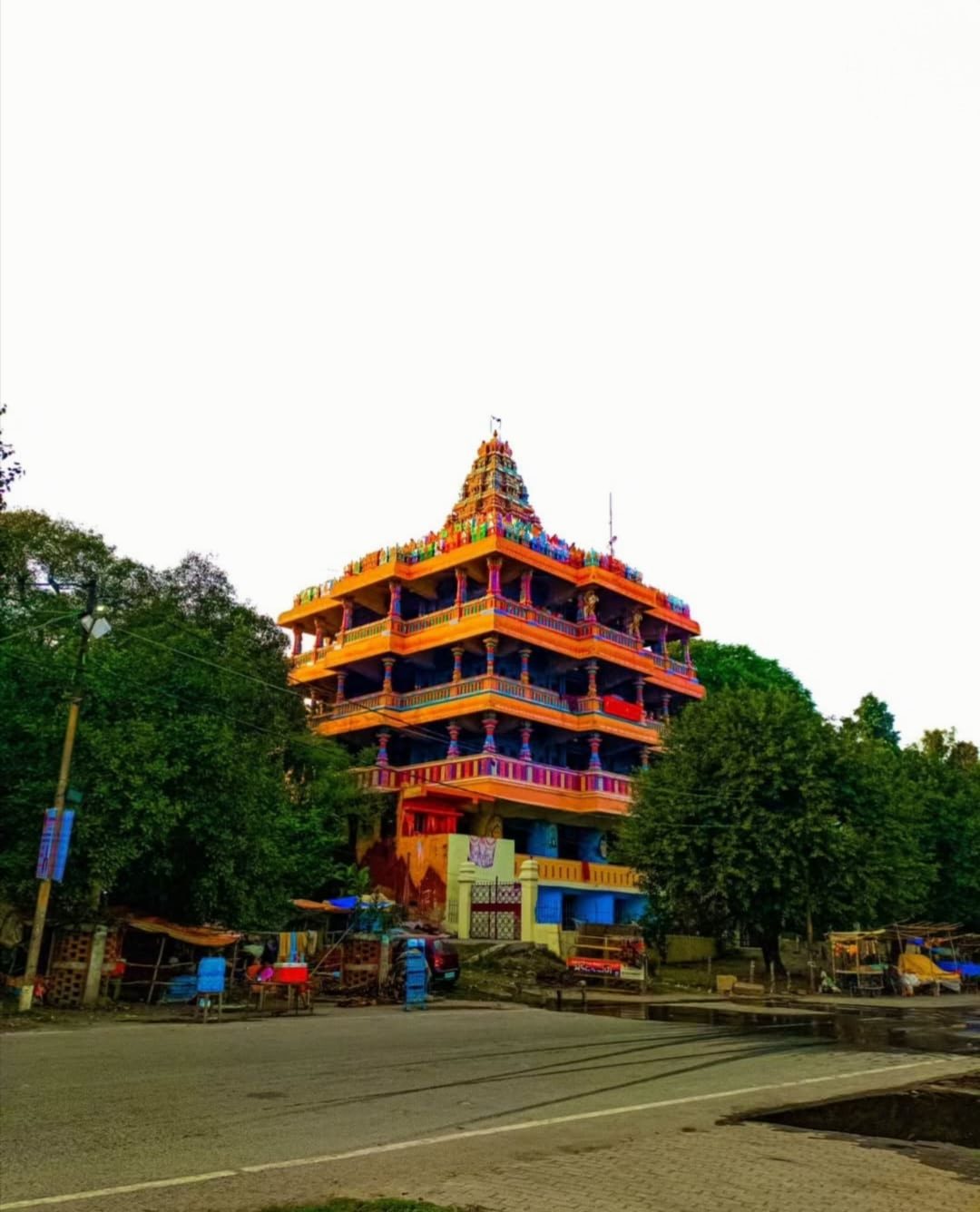
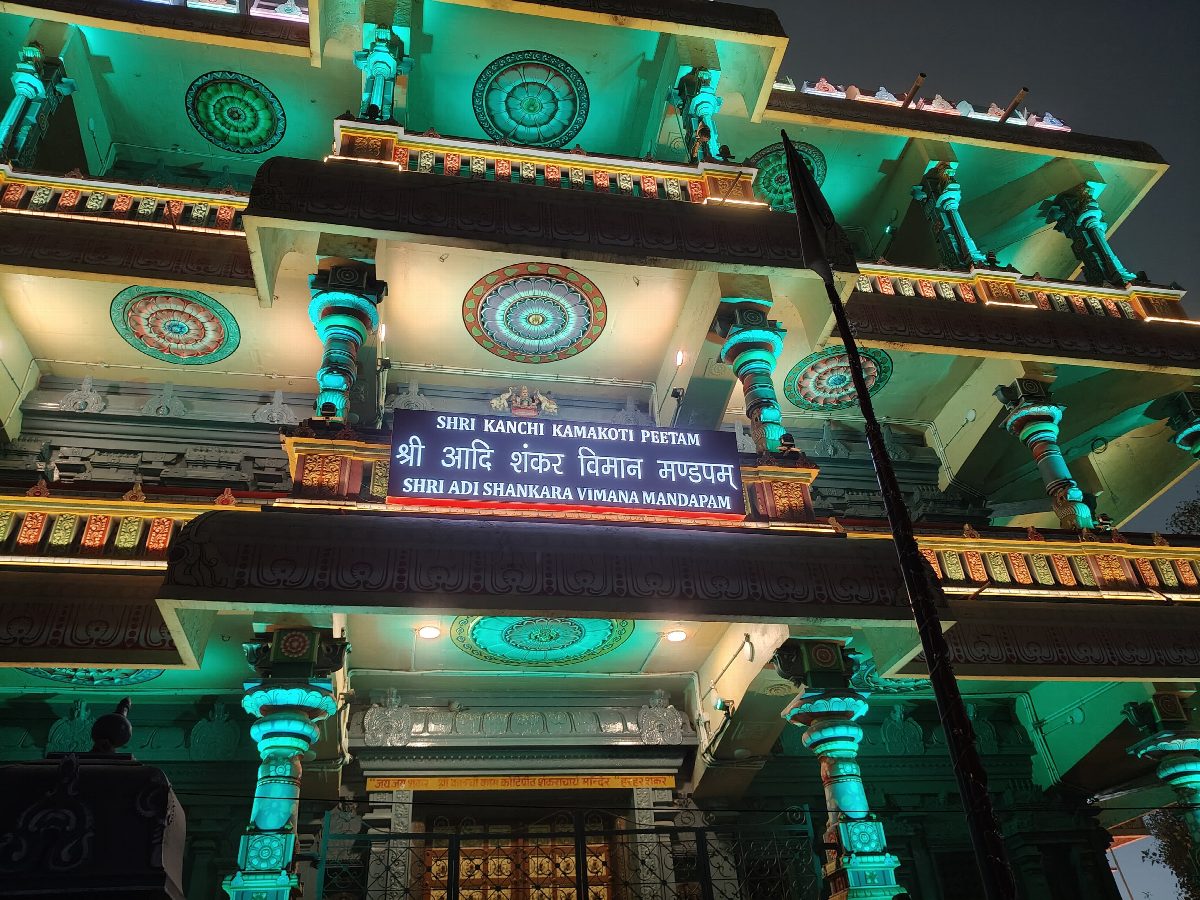
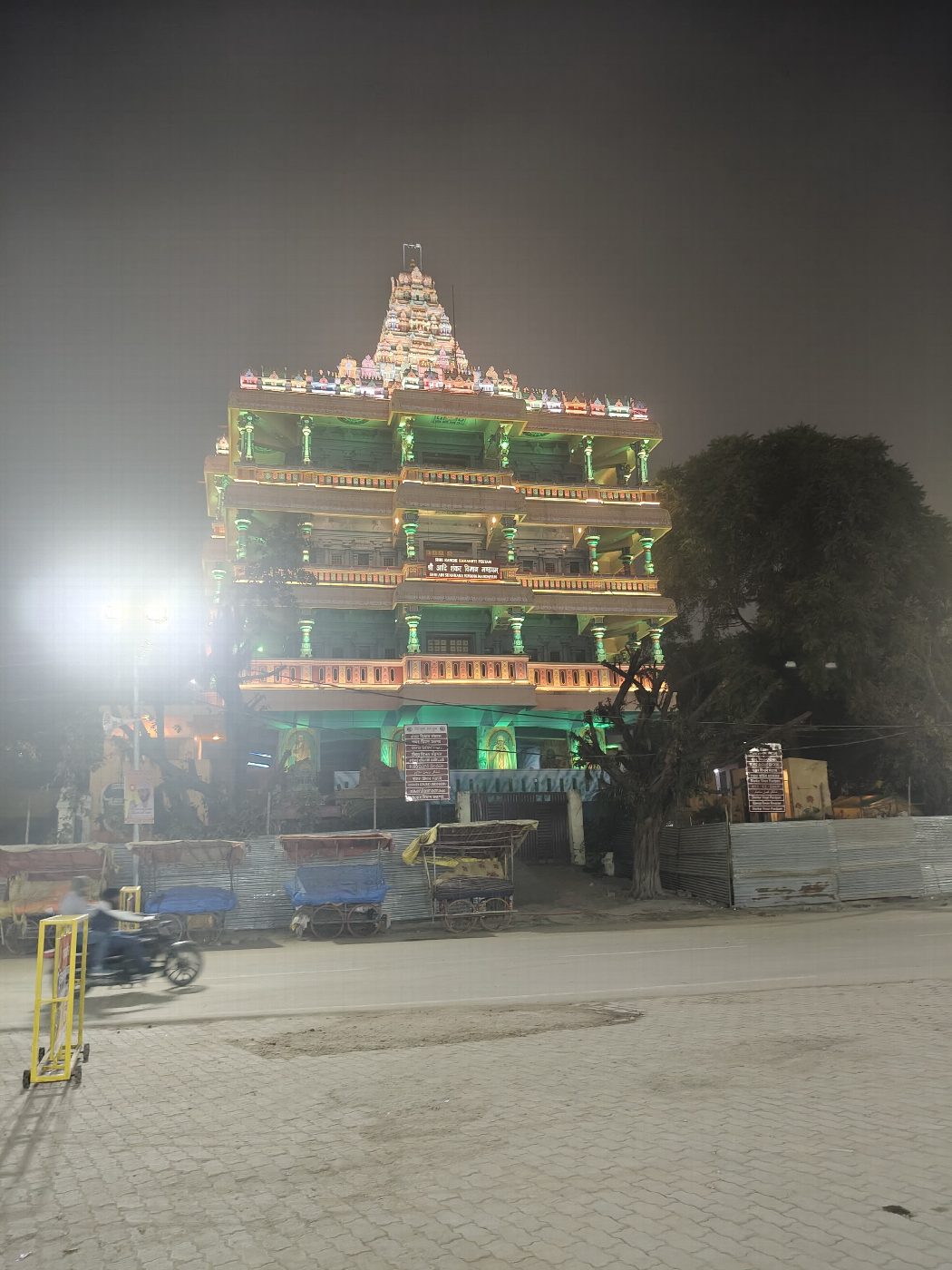
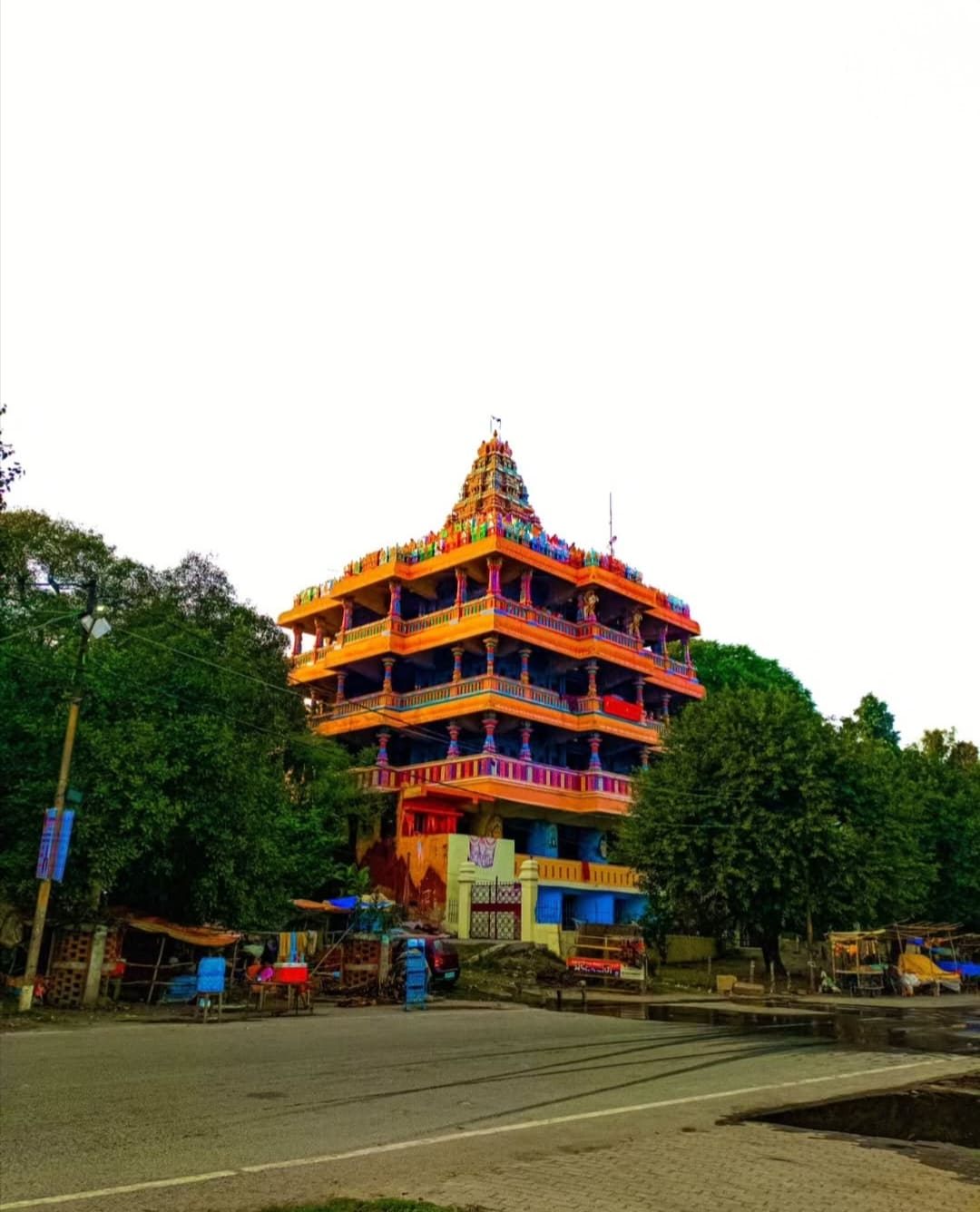
Adi Shankar Viman Mandap, also known as Shankar Viman Mandapam or Shri Adi Shankar Vimana Mandapam, is a striking four-storey Hindu temple on the right bank of the Ganga, north of the Triveni Sangam in Prayagraj.

Built in South Indian vimana style, the tall, pyramidal structure stands about 130 feet high and is dedicated to Lord Shiva, Vishnu, Devi and Adi Shankaracharya, blending Shaivism, Vaishnavism and Shaktism under one roof.

The mandapam was established as a memorial to the teachings and legacy of Adi Shankaracharya, who is believed to have visited Prayag and meditated in this region while spreading Advaita Vedanta.

With river views, colourful gopuram-style architecture and richly painted interiors, the temple has become a key spiritual attraction for pilgrims visiting the Sangam and nearby ghats.

Why Adi Shankar Viman Mandap Is Unique

✔ Four-storey South Indian-style temple near Triveni Sangam.
✔ Dedicated to Adi Shankaracharya, Kamakshi Devi, Balaji and Sahasra Yoga Linga.
✔ Offers panoramic views of the Ganga and Sangam area from upper floors.

Temple Floors, Deities & Visitor Experience

History & Concept

The temple was built to fulfil the wish of Kanchi Kamakoti Peeth’s revered guru, Chandrashekharendra Saraswati, and was later realised by Shankaracharya Swami Jayendra Saraswati.

According to tradition, the site marks a spiritually significant spot where Adi Shankaracharya and scholar Kumarila Bhatta are believed to have engaged in philosophical dialogue near Prayag.

Today, the mandapam serves both as a place of daily worship and as a living centre of Advaita Vedanta and pan-Indian Hindu traditions.

Floors & Main Shrines

Ground Floor: Houses statues of Adi Shankaracharya and associated acharyas like Mandana Misra and Kumarila Bhatta, with murals depicting Shankara’s life and teachings.

First Floor: Dedicated to Devi Kamakshi, surrounded by representations of the 51 Shakti Peethas, symbolising the Shakti tradition across India.

Second Floor: Contains Lord Venkateswara (Tirupati Balaji) with 108 Vishnu forms / peethas, highlighting the Vaishnava dimension of the temple.

Top Floor: Features the Rudraksha Mandapam with a Sahasra Yoga Linga, a large Shiva Linga surrounded by numerous smaller lingas (often described as 1008 / 108), representing the Shaiva aspect.

Darshan, Ambience & Activities

Devotees typically climb floor by floor, taking darshan of Adi Shankara, Kamakshi Amman, Balaji and Shiva, while also viewing murals of Hindu epics like Ramayana and scenes from Shankara’s life.

The temple atmosphere is usually calm and devotional, with bells, chants and the sound of the Ganga flowing nearby, especially peaceful in the morning and evening hours.

Pilgrims often visit the Mandapam along with a Sangam Snan, nearby Hanuman Mandir and other riverfront temples as part of a single yatra.

How to Reach & Nearby Places

How to Reach Adi Shankar Viman Mandap

Location: The temple is situated along Triveni Road, near Beni Bandh / Himmat Ganj / Daraganj area, on the right bank of the Ganga, north of the Triveni Sangam.

By Air: Prayagraj (Bamrauli) Airport is about 12–15 km away; taxis and app-based cabs can be hired towards Daraganj / Sangam side, with drop near the temple approach road.

By Train: Prayagraj Junction and Prayag / Rambagh stations are the main railheads; from there, autos and e-rickshaws run towards Daraganj and Triveni Road where the temple is located.

Local Transport: Auto-rickshaws, e-rickshaws and cabs regularly connect Civil Lines, Sangam area and other neighbourhoods with “Shankar Viman Mandapam / Adi Shankara temple” as a known landmark.

Nearby Attractions in Prayagraj

Triveni Sangam: The sacred confluence of Ganga, Yamuna and Saraswati lies a short distance away and is often combined with temple darshan and boat rides.

Saraswati Ghat & Riverfront: Scenic ghats along the Ganga offer peaceful walks, Aarti and photography spots with views of the temple and river together.

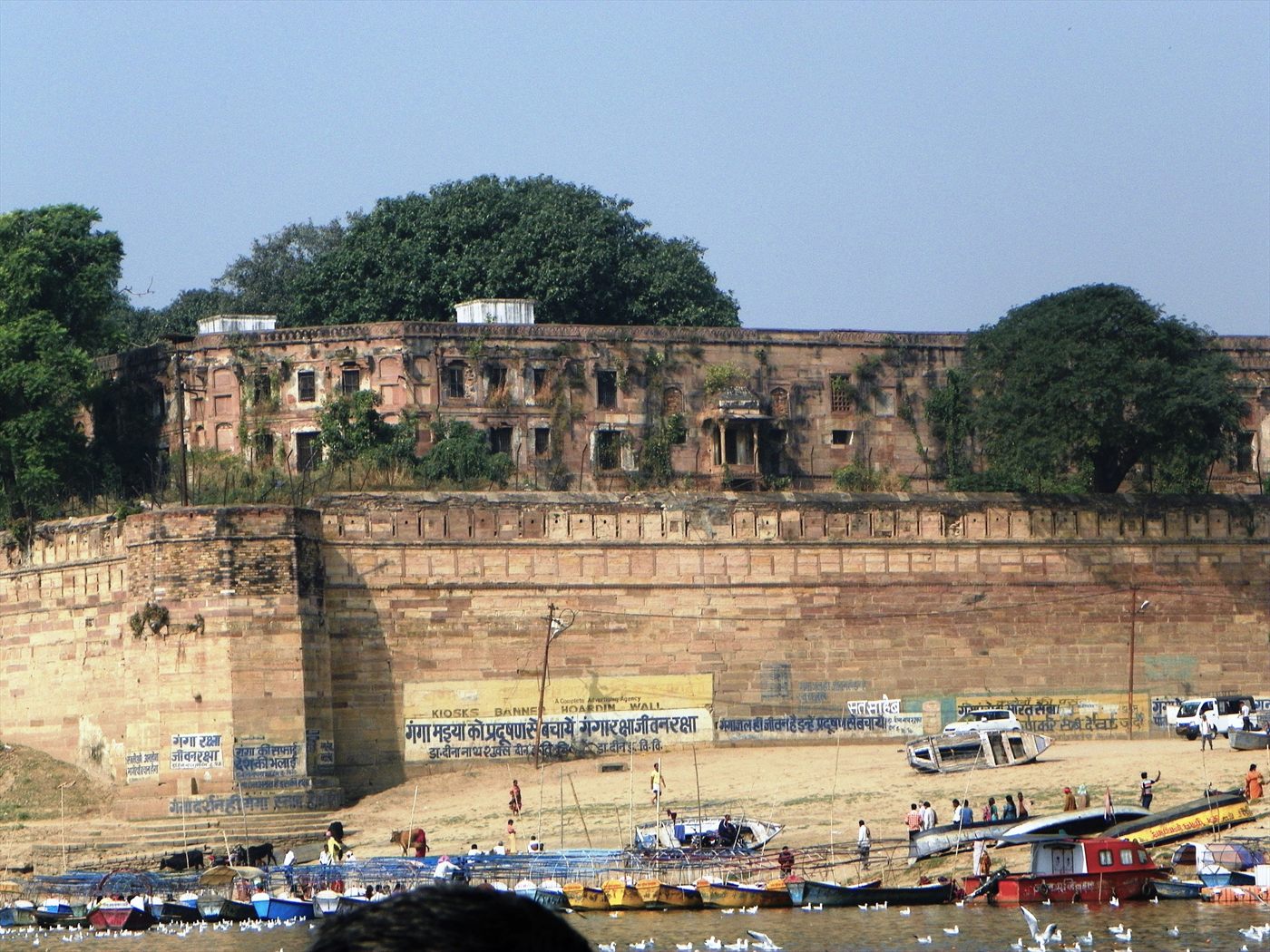
Hanuman Mandir & Allahabad Fort Side: Nearby Hanuman temple and the Allahabad Fort / Patalpuri Temple side of the riverfront complete a broader spiritual and heritage circuit.

Visitor Safety, Timings & Tips

Timings, Entry & Basic Guidelines

The temple is generally open daily, with common timings around 6:00 AM to 1:00 PM and 4:00 PM to 8:00 PM for darshan; timings may change on festivals, so local confirmation is helpful.

There is usually a small entry / darshan donation or ticket, and climbing multiple floors requires using staircases, so visitors should be prepared for a bit of physical effort.

Modest dress, removal of footwear at designated areas and maintaining silence near shrines are expected as basic temple etiquette.

Important Helplines

Emergency: 112  |  Ambulance: 108  |  Women Helpline: 1090  |  Child Helpline: 1098  |  CM Helpline (UP): 1076

Best Time & Basic Advice

October to March is usually the most comfortable season for visiting, with clear views of the river and less heat while climbing the temple floors.

Early morning and evening Arati times offer a more devotional ambience and cooler temperatures, but can be slightly more crowded than mid-day.

Wear comfortable, non-slippery footwear (for outside areas), keep valuables secure, and be careful on stairs, especially for elders and children.