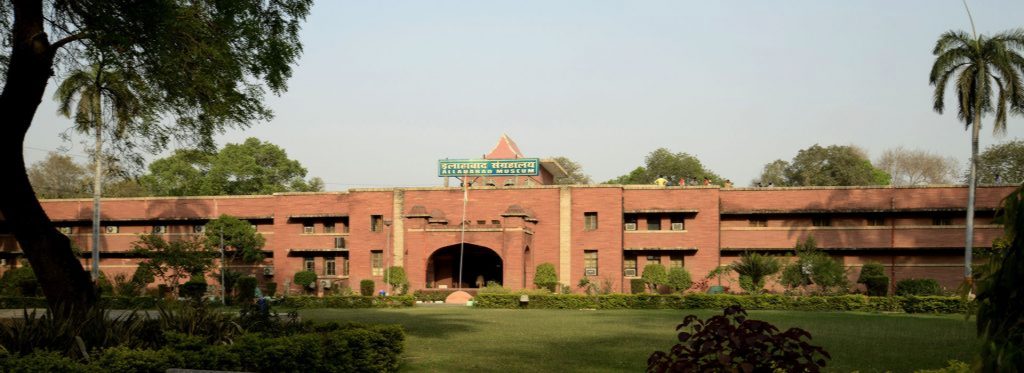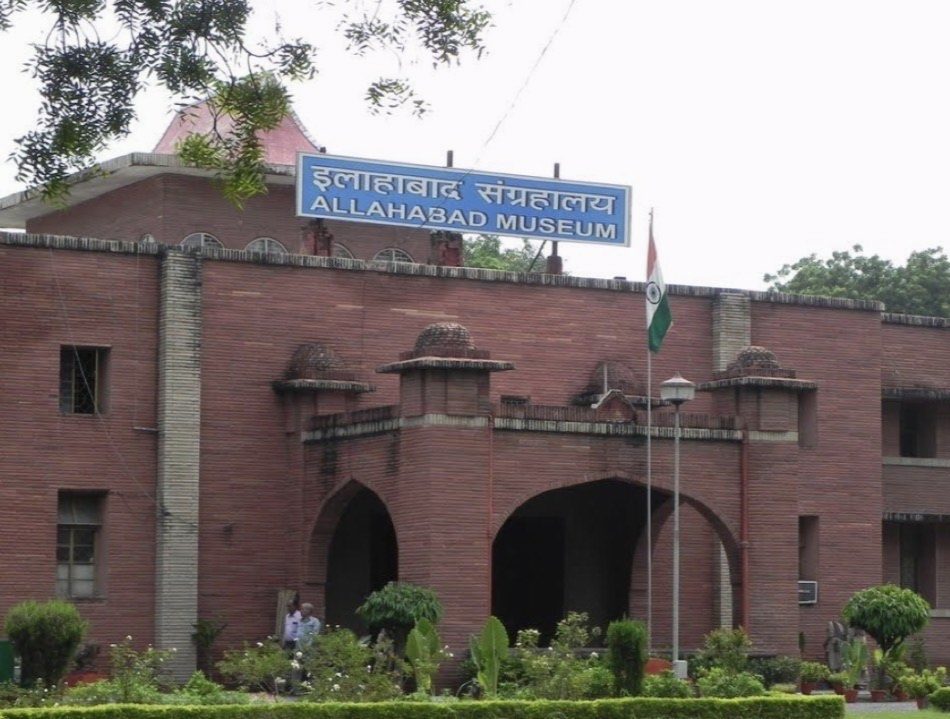
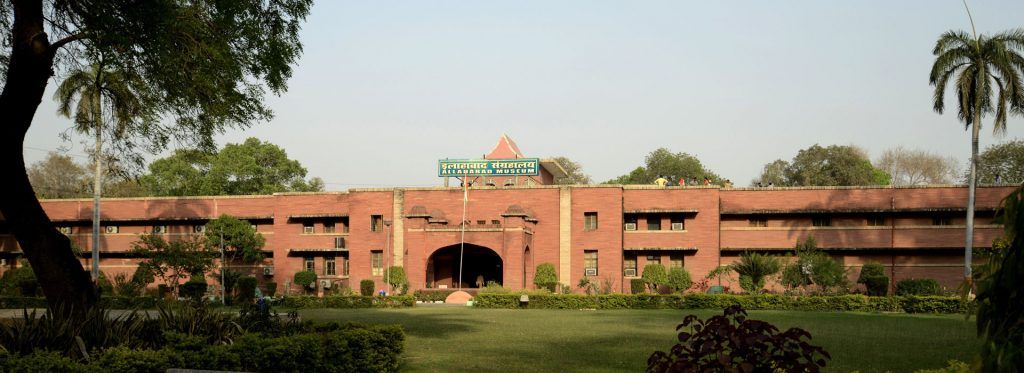
Located inside Chandrashekhar Azad Park (Company Bagh) in Civil Lines, the Allahabad Museum is one of India’s prominent national-level museums, known for its wide range of historical and artistic collections.
The roots of the museum go back to the late 19th and early 20th century, when a small museum and library initiative eventually evolved into a full-fledged institution with rich archaeological, artistic and literary holdings.
Over time, the museum has curated important sculptures from Bharhut and Bhumra, Bengal School paintings, manuscripts and collections associated with leaders like Mahatma Gandhi and Jawaharlal Nehru.
Today, its well-organized galleries, informative displays and green surroundings make it a favourite destination for history lovers, students, researchers and travellers exploring Prayagraj.
The museum’s origins are linked to efforts in the late 1800s and early 1900s to create a public museum and library in Allahabad, with support from administrators, scholars and local patrons.
By the 1930s, it developed into a structured museum, and later recognition as a national institution strengthened its role in preserving regional and national heritage under professional curation.
Its location inside the historic Company Bagh, associated with freedom fighter Chandrashekhar Azad, further adds emotional significance to a visit.
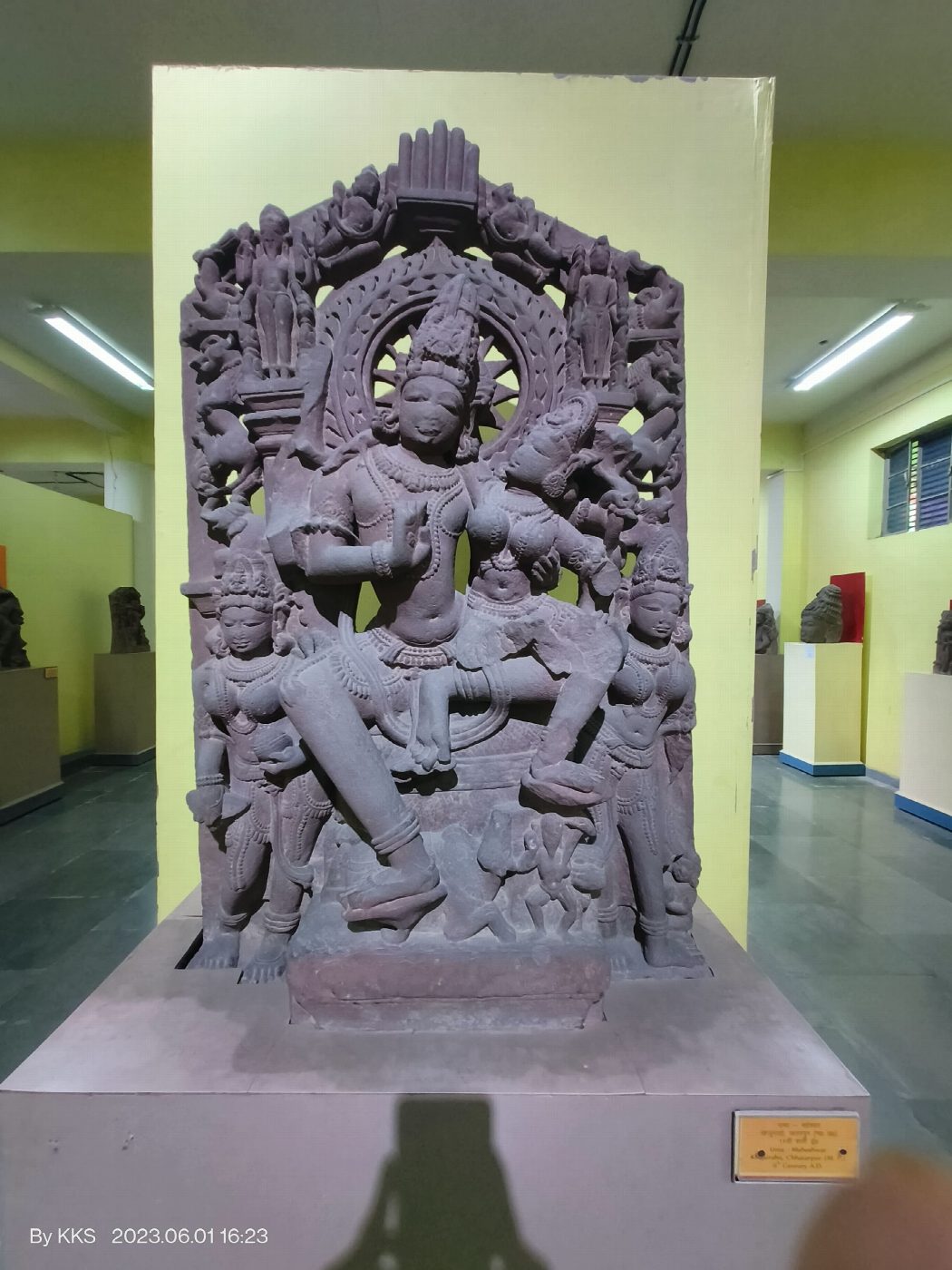
The museum is divided into multiple galleries featuring stone sculptures, terracottas, miniature paintings, modern art, numismatics, manuscripts, tribal culture, natural history and freedom struggle exhibits.
The Rock Art Gallery showcases one of the largest collections of prehistoric rock paintings in India, with some works dating back to around 14,000 BC.
Dedicated Gandhi and Nehru galleries display rare photographs, documents, Gandhi Smriti Vahan (the truck that carried Gandhi’s ashes to Triveni Sangam) and Nehru’s prison manuscripts that later became “The Discovery of India”.
Visitors can see remarkable stone sculptures from the 3rd century BCE to later periods, representing a wide range of styles from Uttar Pradesh, Madhya Pradesh and Bihar.
The museum holds important works from the Bengal School of Art, miniature paintings, canvases by Nicholas Roerich and other modern artists, alongside terracotta, coins and archaeological finds.
Temporary and thematic exhibitions, such as those focusing on women in Indian art or special painting collections, add fresh layers to the permanent displays.
By Air: Prayagraj (Bamrauli) Airport lies around 10–12 km from Civil Lines; taxis and app-based cabs connect the airport to Chandrashekhar Azad Park / Company Bagh area where the museum is located.
By Train: Prayagraj Junction and Prayagraj Rambagh stations are the main entry points; from there, autos, e-rickshaws and cabs can be taken towards Civil Lines and Company Bagh.
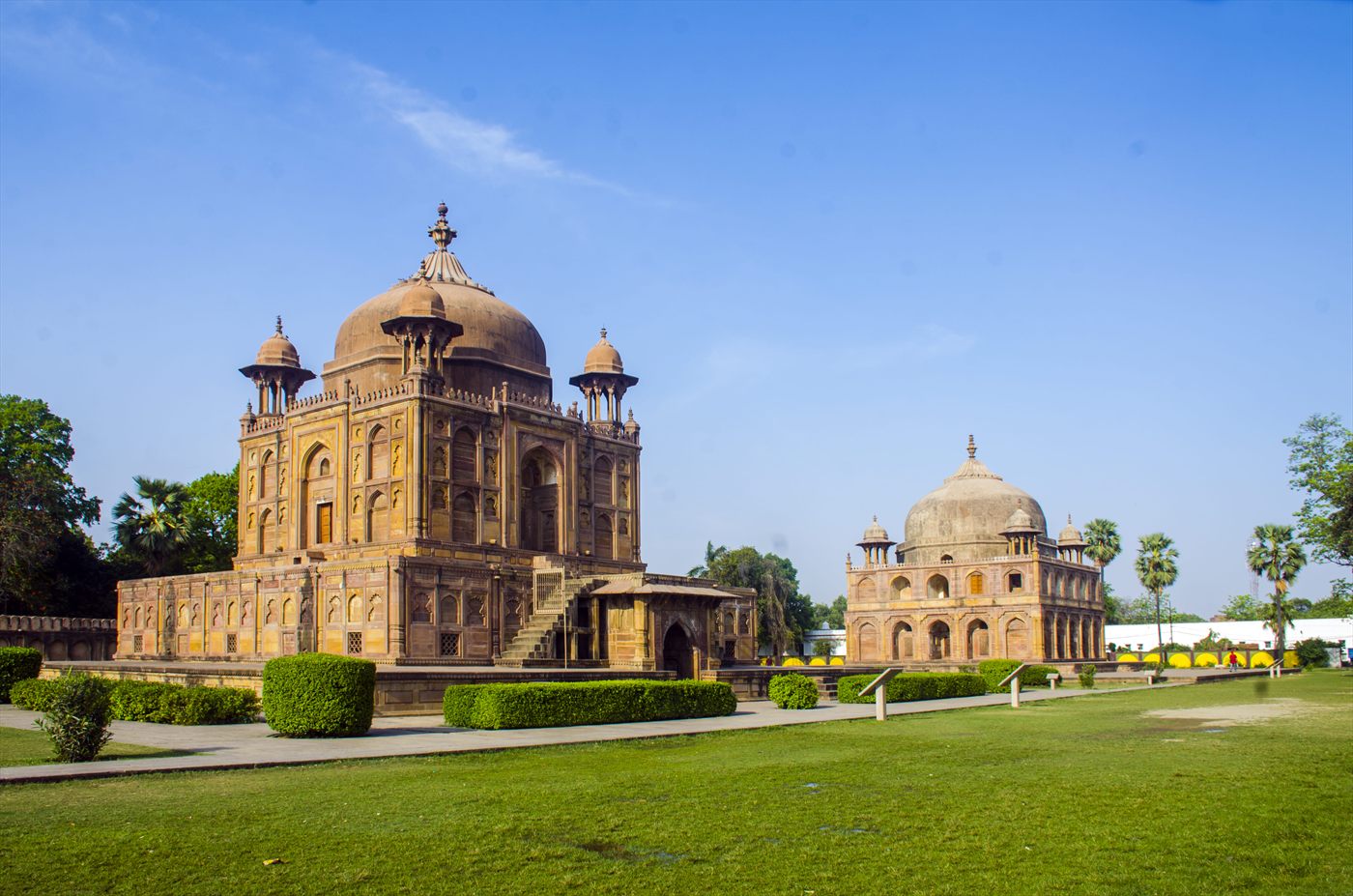
Local Transport: The museum is a known landmark in Civil Lines, easily reachable by auto-rickshaws, city buses and cabs from different parts of the city, including Sangam, Khusro Bagh and Tagore Town.
Chandrashekhar Azad Park: The large historic park surrounding the museum, associated with freedom fighter Chandrashekhar Azad and ideal for walks and relaxation.
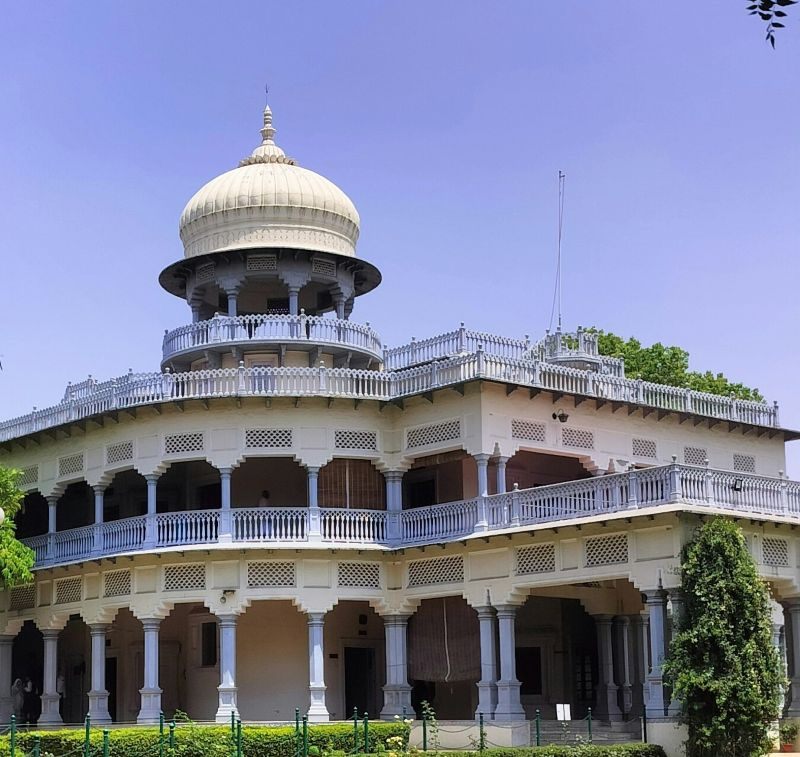
Anand Bhavan & Swaraj Bhavan: Nehru family residences turned museums, a short drive away, often combined with an Allahabad Museum visit in a heritage-focused itinerary.
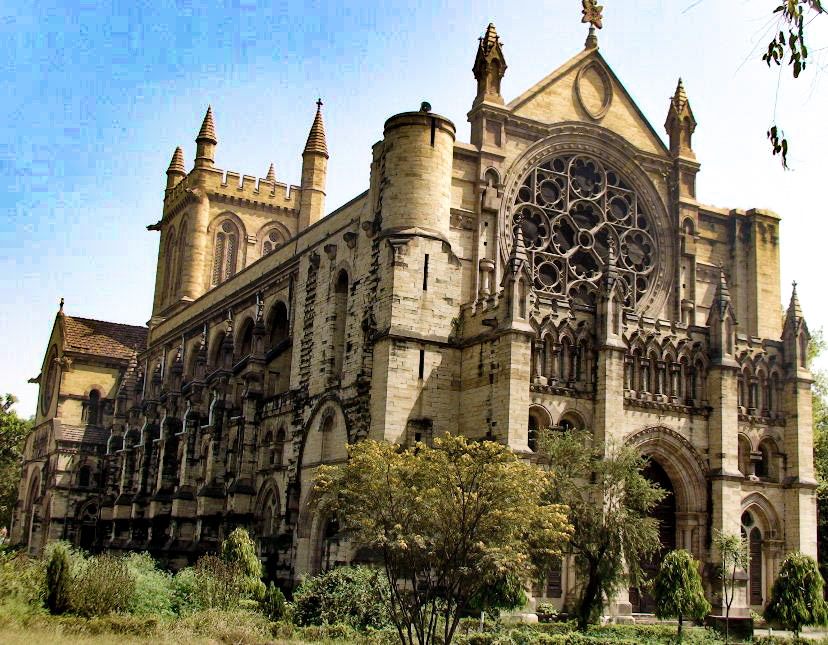
Civil Lines & Cathedral: All Saints Cathedral, colonial-era buildings and markets in Civil Lines showcase the British-era town planning and architecture of Prayagraj.
The museum is generally open from Tuesday to Sunday, around 10:30 AM to 4:30–5:30 PM, and remains closed on Mondays and certain holidays; visitors should confirm the latest timings before visiting.
Entry tickets are affordable, with separate rates for Indian and foreign visitors and additional charges for photography or videography in some sections.
Backpacks may be regulated, and visitors are expected to follow museum rules, avoid touching exhibits and maintain silence inside galleries for a better experience.
Emergency: 112 | Ambulance: 108 | Women Helpline: 1090 | Child Helpline: 1098 | CM Helpline (UP): 1076
October to March is usually considered the most comfortable period, but the museum can be visited year-round as the galleries are indoors and well-sheltered.
Plan at least 1–2 hours to explore the galleries at a relaxed pace, especially if you are interested in both art and history sections.
Combine the museum with a walk in Company Bagh and nearby Civil Lines landmarks to enjoy a complete cultural day in Prayagraj.