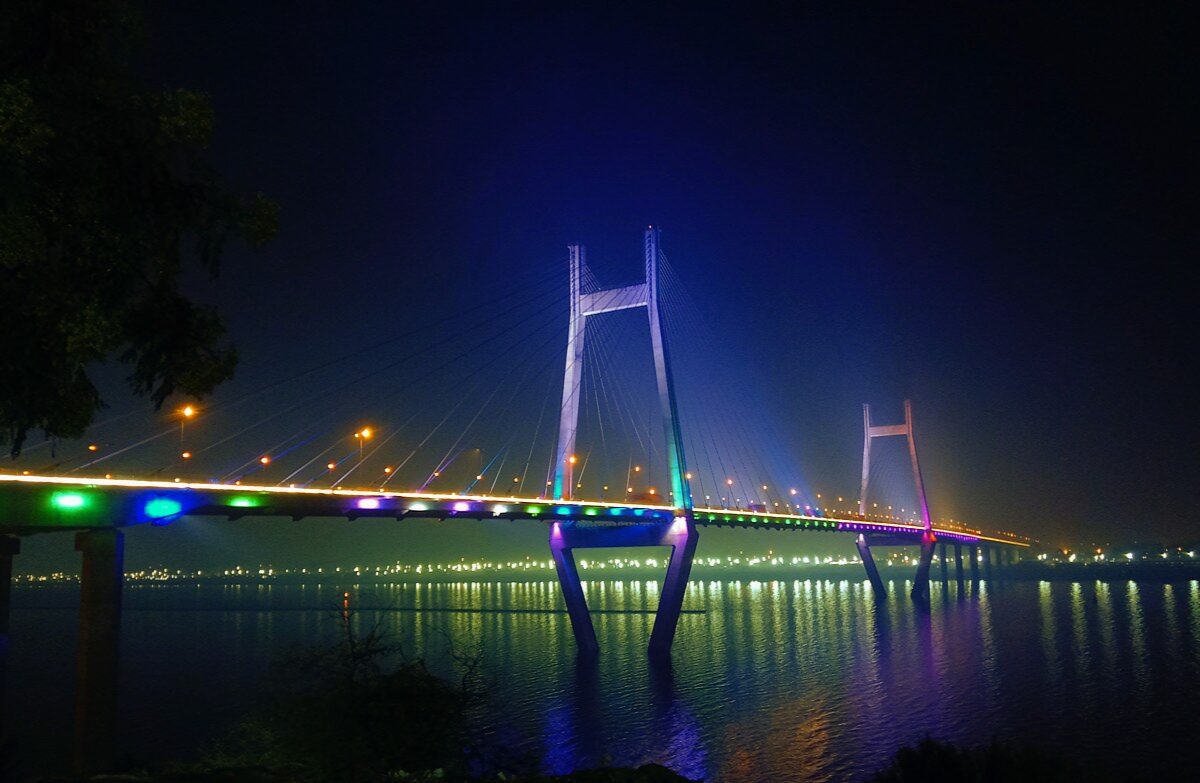
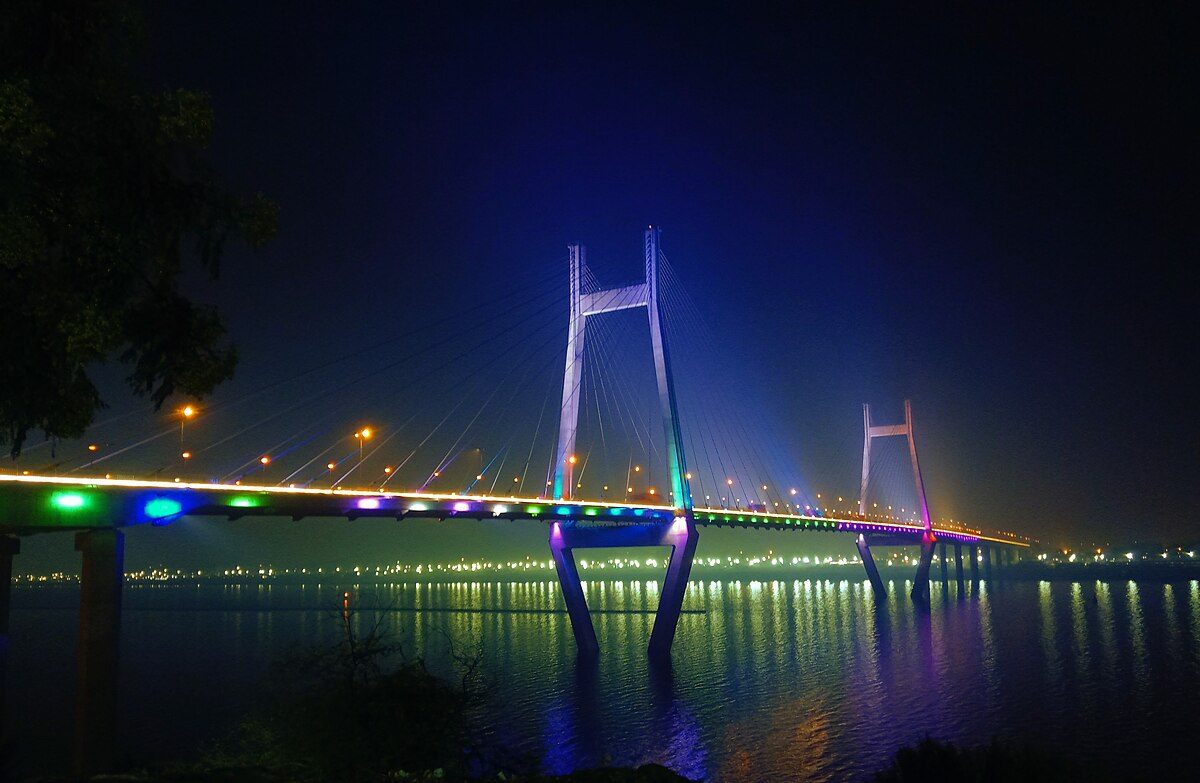
The Shyama Prasad Mukherjee Setu (New Yamuna Bridge), popularly known as the Naini Bridge, is a modern cable-stayed bridge over the Yamuna River that connects the main city of Prayagraj with the Naini and southern side.
Completed in 2004, the six-lane bridge was built to ease heavy traffic from the Old Naini Bridge and provide a fast, direct link between Civil Lines / city centre and the growing industrial and residential areas across the river.
Stretching about 1,510 metres with a main cable-supported span of around 260 metres, the bridge’s tall pylons and steel cable fan make it one of India’s early and prominent cable-stayed bridge projects.
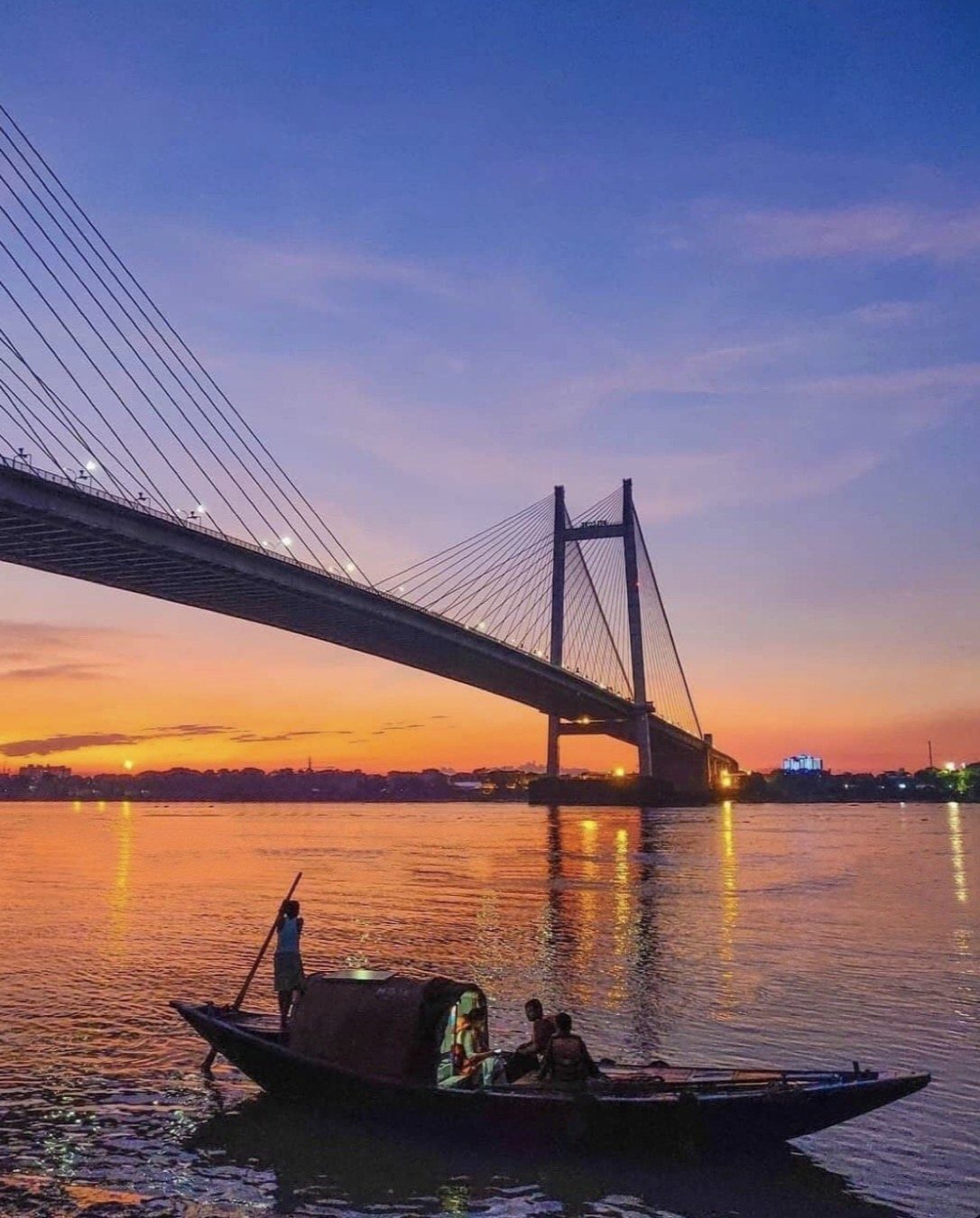
Beyond its utility, the bridge has become a visual landmark of Prayagraj, offering sweeping views of the Yamuna, distant Sangam area and city lights, especially beautiful at dawn and dusk.
The bridge was conceived to handle increasing traffic between Prayagraj and Naini, especially pilgrimage, industrial and daily commuter movement that had begun to overwhelm the Old Naini Rail-cum-Road Bridge.
Construction began in the early 2000s, with Hyundai Engineering and Construction and Hindustan Construction Company taking up the main work, supported by Danish consulting firm COWI A/S for design and engineering.
The project was completed and opened to the public in 2004, making it one of the first large modern cable-stayed road bridges in northern India.
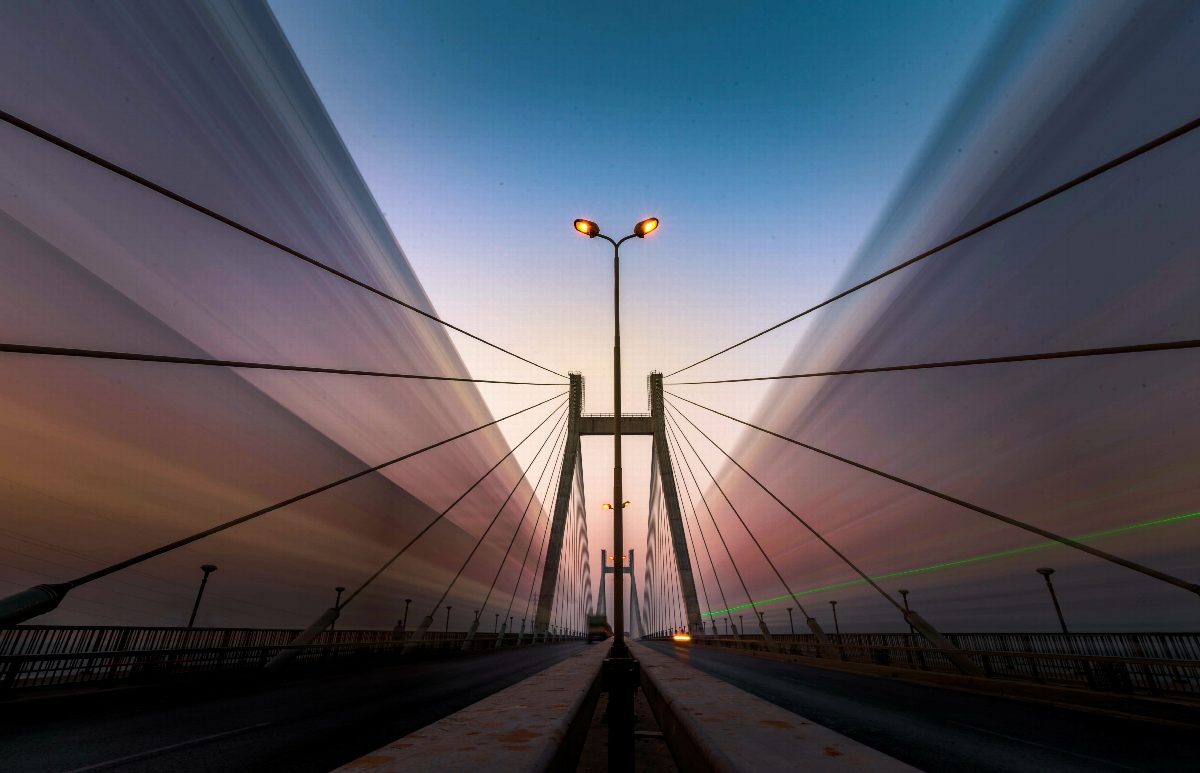
The New Yamuna Bridge uses a semi-fan cable-stayed design with two tall concrete pylons rising from the river, from which multiple steel cables fan out to support the central spans.
The deck carries six traffic lanes along with side walkways, allowing both vehicles and pedestrians to cross the river with expansive views on either side.
Concrete anchor spans at both ends and robust foundations within the riverbed give the bridge strength and stability against wind, traffic load and river flow.
Many visitors drive or walk onto the bridge around sunrise or sunset to see the Yamuna glow in changing light and, on clear days, to spot the tented city during Magh Mela or Kumbh stretching towards the Sangam.
From the bridge, one can often see the older Naini Bridge in the distance and the city skyline on one side with quieter Naini areas on the other, making it a favourite spot for photography and short drives.
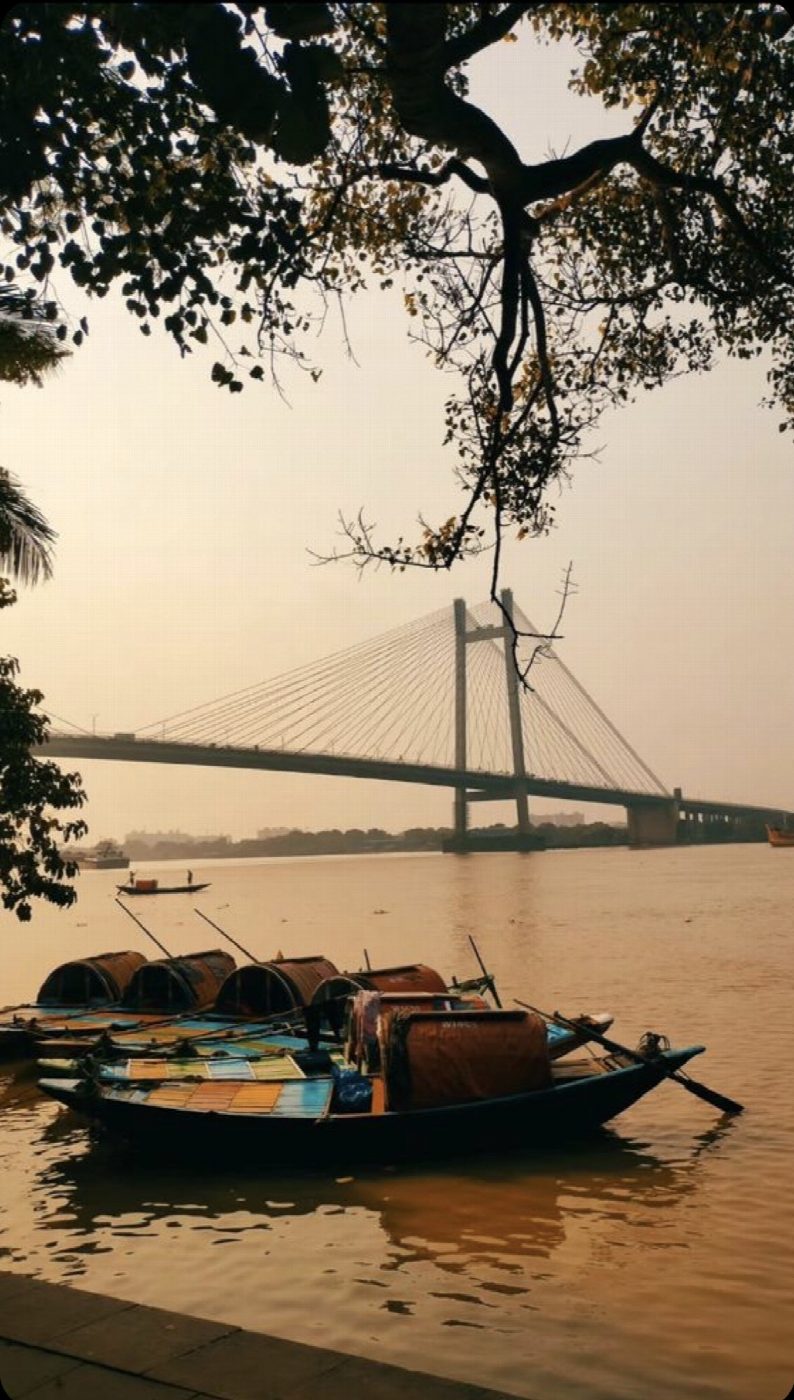
Boat rides on the Yamuna sometimes take visitors close to the underside of the bridge, offering a striking view of its pylons and cable pattern from the water level.
By Air: Prayagraj (Bamrauli) Airport is about 12–15 km away; taxis and app-based cabs can be taken through Civil Lines and then towards Naini / Yamuna bridge approach road.
By Train: Prayagraj Junction is the main station, roughly 6 km from the bridge; autos, e-rickshaws and cabs run regularly to the Naini Bridge / New Yamuna Bridge side.
Local Transport: City buses, shared autos, e-rickshaws and private cabs connect Civil Lines, Kydganj, Sangam area and Naini with the bridge, which lies on the important route towards NH-27.
Triveni Sangam: Located about 4–6 km away, the Sangam can be seen from the bridge on clear days and visited easily for boat rides and holy dips.
Saraswati Ghat & Mankameshwar Temple: Popular ghat and Shiva temple on the Yamuna bank can be combined with a drive over the bridge for a full riverfront experience.
Allahabad Fort & City Heritage: The Mughal fort, Company Garden, Allahabad Museum, Khusro Bagh and Anand Bhavan are all within driving distance from the bridge on the city side.
The bridge is a busy traffic route, so pedestrians should stay to designated walkways and avoid standing in the middle of the carriageway for photos.
Stopping vehicles on the bridge is often discouraged or restricted; for photography, it is safer to park near the ends or use riverside points and boat rides for better angles.
At night, the bridge is lit up and looks beautiful, but visitors should still remain cautious of moving traffic and avoid leaning over railings.
Emergency: 112 | Ambulance: 108 | Women Helpline: 1090 | Child Helpline: 1098 | CM Helpline (UP): 1076
Sunrise and sunset are considered the best times to experience the bridge, with cooler temperatures and dramatic views of the river and city lights.
October to March offers clearer skies and pleasant weather; in summers, early morning and late evening visits are more comfortable.
Combine a crossing of the New Yamuna Bridge with a Sangam boat ride, fort or ghat visit for a balanced mix of modern engineering and traditional Prayagraj heritage.