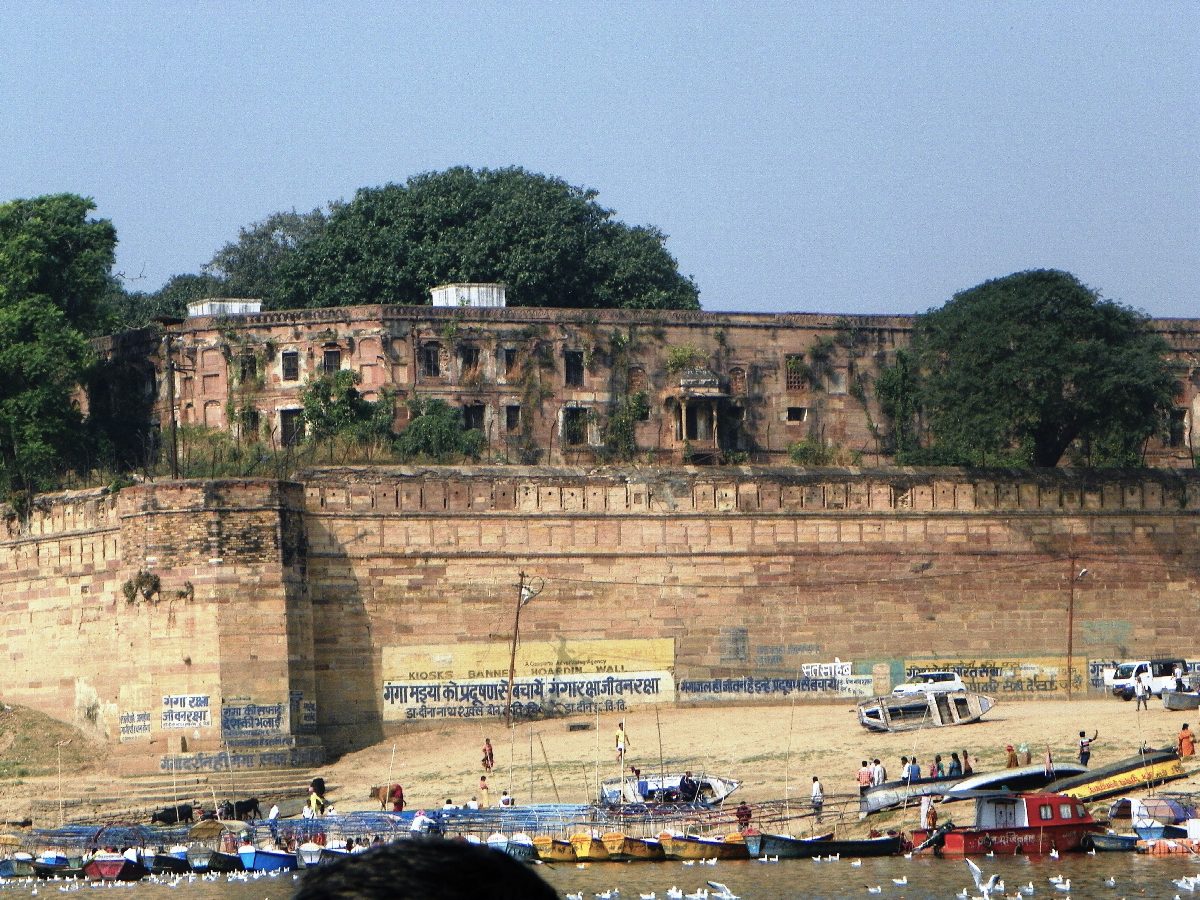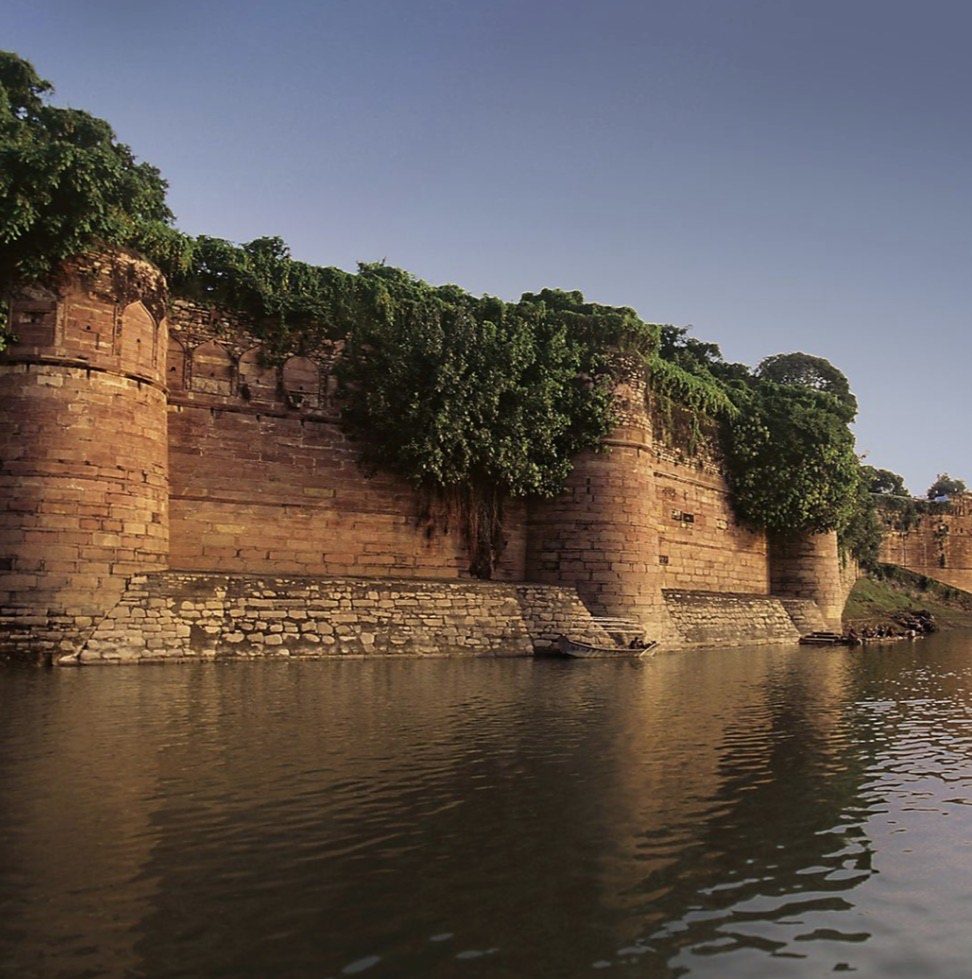
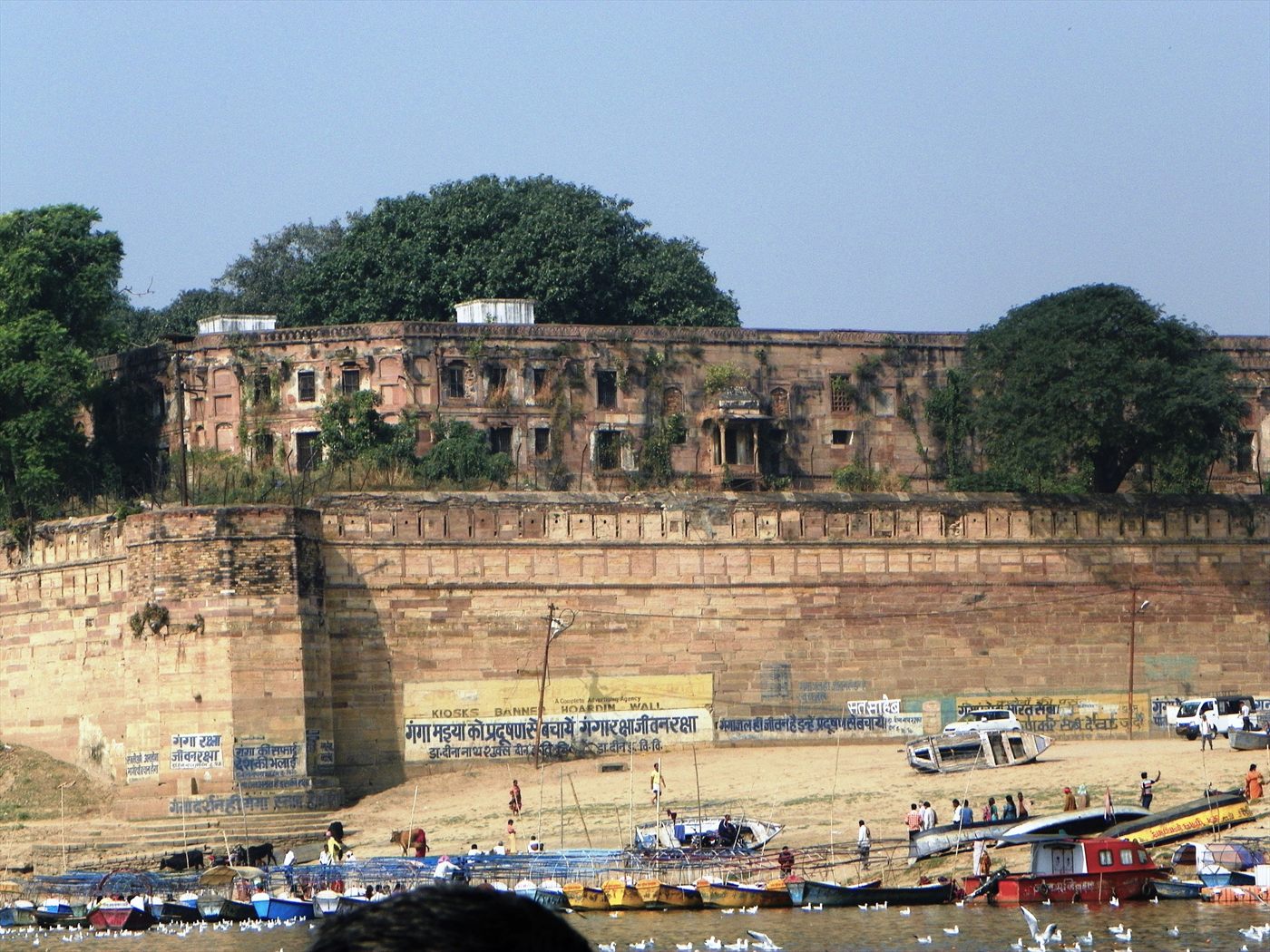
Allahabad Fort, also known as Akbar Fort or Prayagraj Fort, is a grand Mughal fort built in 1583 CE by Emperor Akbar on the banks of the Yamuna, close to the Triveni Sangam in Prayagraj.
Strategically positioned near the confluence of the Ganga, Yamuna and the mythical Saraswati, the fort was once considered among the finest garrisons of the Mughal Empire, guarding trade routes and pilgrimage paths.
Over the centuries, Allahabad Fort witnessed Mughal rule, Maratha influence and British occupation, and today much of the complex is under the control of the Indian Army, with only limited sections open to the public.
Despite restricted access, the fort remains an important symbol of Mughal architecture and sacred geography, housing revered sites like Patalpuri Temple, the legendary Akshayavat tree and the mystical Saraswati Koop.
Emperor Akbar commissioned the fort to command the strategic riverside location at Prayagraj, impressed by the meeting of the sacred rivers and the political importance of the region.
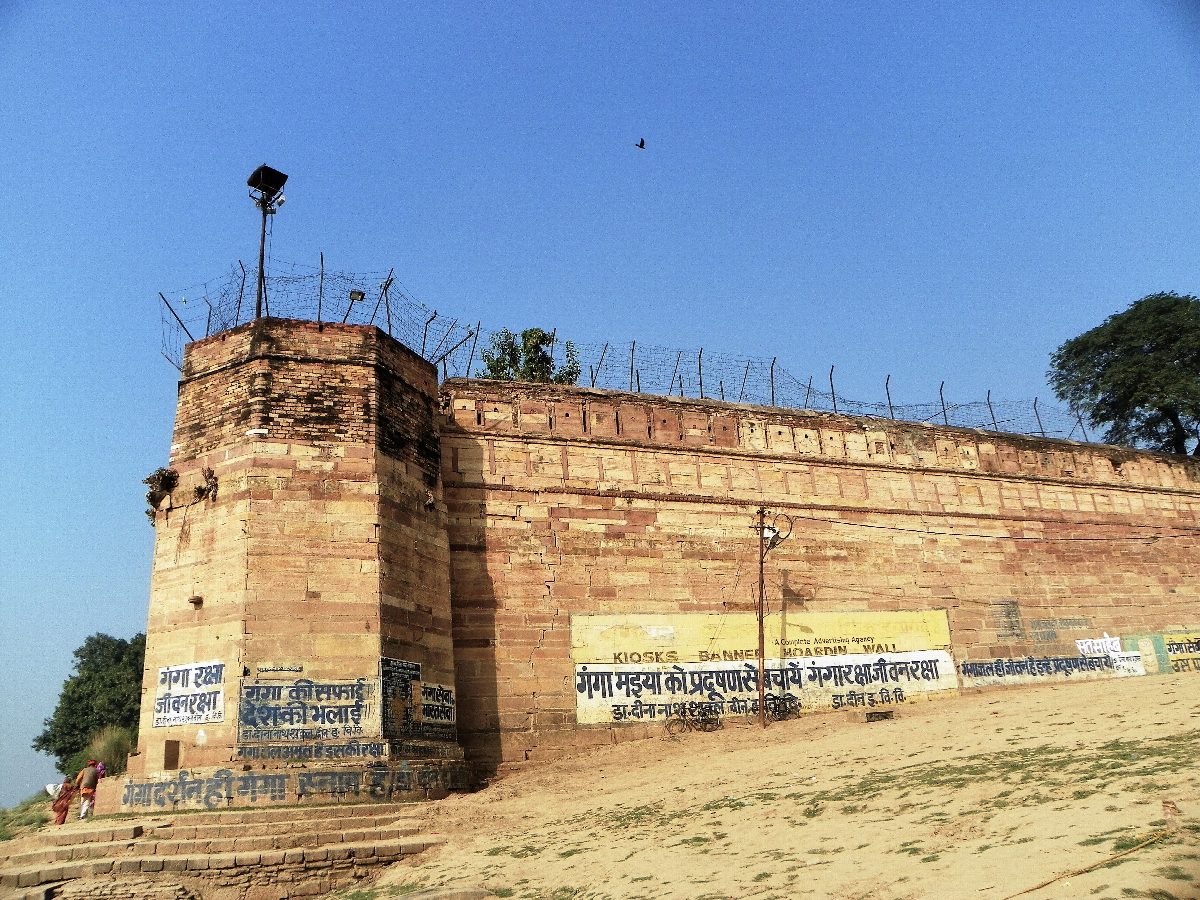
The massive walls, bastions and gateways of the fort reflect Mughal military architecture, while later British control turned sections into cantonment and administrative areas.
Recognised by the Archaeological Survey of India as a monument of national importance, the fort still carries layers of Mughal, colonial and modern military history in one compact site.
Within the accessible part of the fort lies the ancient underground Patalpuri Temple, which houses numerous deities and leads towards the revered Akshayavat, the “immortal” banyan tree associated with salvation in Hindu belief.
The Saraswati Koop, a covered well inside the complex, is traditionally believed to mark the subterranean flow of the invisible Saraswati river that joins Ganga and Yamuna at the Sangam.
These sacred spots create a unique blend of fort architecture and deep religious significance, drawing both devotees and history enthusiasts during permitted visiting periods.
By Air: Prayagraj (Bamrauli) Airport is about 12–15 km from the fort; taxis and app-based cabs are available from the airport towards the Sangam / fort area.
By Train: Prayagraj Junction is the nearest major railway station; from there, autos, e-rickshaws and cabs frequently run towards the Sangam, Allahabad Fort and nearby ghats.
Local Transport: Auto-rickshaws, e-rickshaws and local buses connect Civil Lines, Khusro Bagh, Anand Bhavan and other neighbourhoods to the fort side along the riverfront.
Triveni Sangam: The sacred confluence of Ganga, Yamuna and Saraswati lies a short distance from the fort, with boats available from nearby ghats for Sangam Snan.
Saraswati Ghat & Riverfront: Scenic ghats along the Yamuna offer pleasant views of the river and boats, and can be combined with a walk or short ride from the fort area.
Company Garden & Allahabad Museum: Chandra Shekhar Azad Park (Company Garden) and the Allahabad Museum in Civil Lines provide additional heritage and leisure options for the same day.
Allahabad Fort is under Indian Army control, so public access is restricted; in many cases the inner fort opens fully only during Kumbh Mela or special occasions, while limited access to Patalpuri Temple and Akshayavat may be allowed at other times.
Typical visiting hours for accessible areas are reported around 7:00 AM to 6:00 PM, but visitors should always confirm the latest rules, ID requirements and timings locally before planning.
Photography may be restricted or prohibited in certain zones because of military presence, so follow all posted instructions and guidance from security personnel.
Emergency: 112 | Ambulance: 108 | Women Helpline: 1090 | Child Helpline: 1098 | CM Helpline (UP): 1076
The most comfortable time to visit Allahabad Fort and riverfront areas is typically from October to March, when the weather is pleasant for walking and outdoor exploration.
Carry a valid ID, wear modest clothing and comfortable footwear, and be prepared for security checks at the entrance due to the fort’s military status.
Plan your visit early in the day to avoid heat and crowds, especially during festival seasons, and consider combining it with a Sangam boat ride and nearby ghats for a complete experience.